Making your home a cat haven
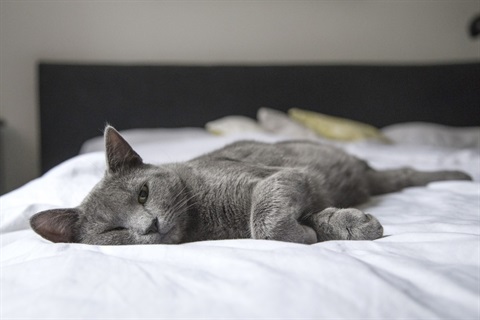
There are many ways to help your cats adjust to the at-home lifestyle.
Every cat is different, so watch your cats for clues about how to reduce stress and make them purr. Are they timid or bold? How do they behave when alone, around people or near other pets?
It might take a little testing to get things just right. Here are some free and low-cost ideas to try:
Create safe hiding spots. Provide covered and open beds, quiet elevated places or tucked-away areas where your cat can feel secure.
Designate quiet zones. Keep litter trays, food, water and beds in calm, low-traffic areas away from loud appliances or strong smells.
Establish a routine. Feed your cat at consistent times, ideally including an evening meal, and introduce changes slowly.
Increase play. Use a variety of toys, including laser pointers and interactive prey-like toys, to provide physical and mental stimulation. Avoid using hands as toys and end playtime if biting starts.
Rotate toys. Changing toys every few weeks keeps your cat interested and engaged.
Add vertical spaces. Cat trees or shelves give cats safe high perches for observation and relaxation. Place one near a window for safe outdoor viewing.
Provide scratching posts. Essential for stress relief and claw health.
Offer sun spots. Cats love sunny areas with shaded options (be mindful to limit sun exposure of cats with white ears and noses).
More litter trays. Follow the rule. One cat = two trays; two cats = three to four trays, always placed away from food and water.
Fresh water daily. Use fountains or separate bowls, especially if you have a dog.
Create a secure outdoor area. From small balconies to large yards, there are many outdoor play options. Animal Welfare Victoria has practical guides to creating outdoor spaces, including escape-proof fencing and enclosures.
Try a harness. With patience, some cats learn to enjoy supervised outdoor walks.
For more support resources, visit our cat confinement page.